
Angus Reid's new documentary "A week in the Sun" shines light on Cuba's sweeping new rights for women and queer people
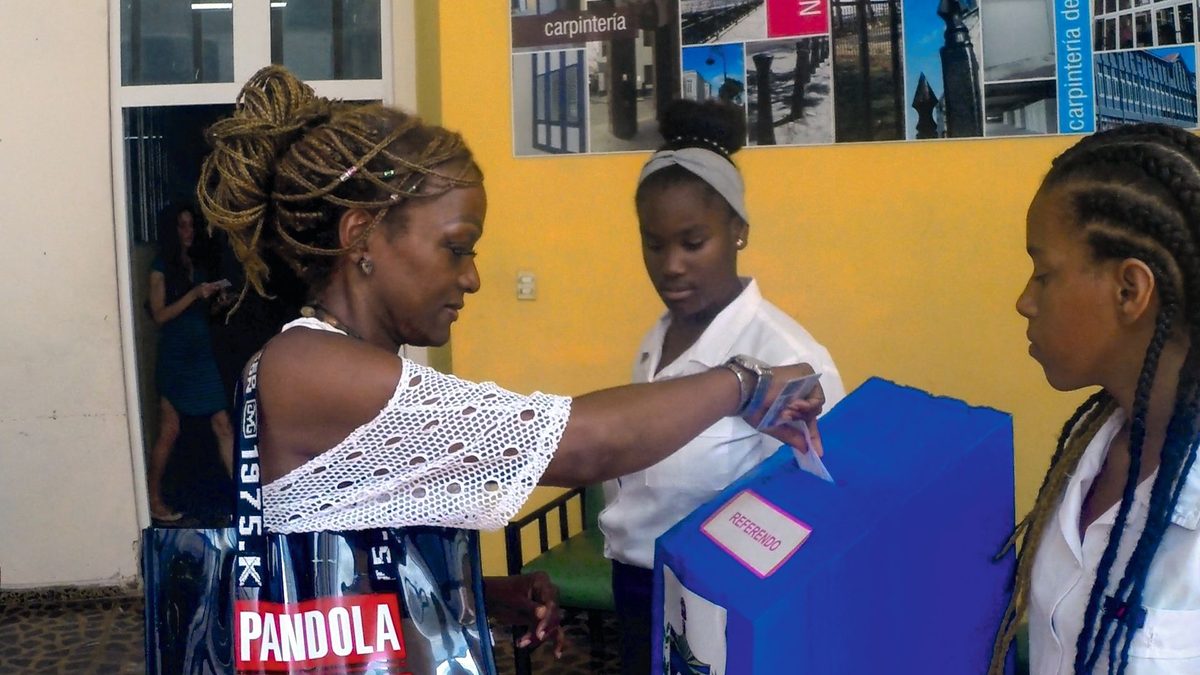
A Week in the Sun – Cuba’s LGBT revolution is British filmmaker Angus Reid’s new documentary about Cuba’s constitutional referendum on the revolutionary Family Code. It was passed in 2022 by a huge 67 per cent majority in a rare popular plebiscite, winning in every province. But it was almost unreported in the west at the time. This film seeks to redress that omission.
The Code offers the most progressive and comprehensive constitutional framework in the world for family rights, including the rights of women and LGBT+ people. What makes it so special, as the film explores, is that it was agreed in a public vote by the Cuban people. Reid interviews passionate advocates, including Havana-based LGBT+ activists from Cenesex, the state-backed National Centre for Sexual Education. “And”, he says, “because my film is humanist and not state propaganda, I gave myself the freedom to explore both the sympathetic and critical views of the general population.”
As a gay man, Reid had a personal interest in the referendum process. “What stunned me was that the entire island was given a democratic chance to decide whether or not to take the revolution into the family in the way the Code proposed,” he says. “It enshrines new legal rights for women, children, carers, disabled and elderly people; and LGBT+ equality, including same-sex marriage, adoption and surrogacy.”
“It also replaces parental ‘authority’ over children with parental ‘responsibility’ and mandates the sharing of domestic labour, and action on gender-based violence. Plus, it guarantees rights and protections to all non-traditional family structures based on mutual care, delinking the family from biology. In short, there are now no barriers to anyone creating a family and enjoying its rights,” he adds. “This Code lifts every obstacle in the way of LGBT+ people, and it takes patriarchal privilege and oppression out of family law and life altogether.”
This is all very well, but Cuba is not a democracy. Some say that because the regime and its media backed the Code, people felt obliged or even pressured to vote for it. Moreover, all LGBT+ advocacy is under the state control of Cenesex. Cuban LGBT+ critics of the referendum say human rights should never be subject to “the vote of the mob” and accuse the regime of using the pro-LGBT+ elements of the Family Code to “pinkwash” its tyranny.
Whatever the state’s motive, the end result is positive for LGBT+ people. Yet the new Family Code is little known, which is perhaps unsurprising given often negative reporting about Cuba by much of our British media. Some of the criticism is well deserved, given examples such as the brutal suppression of the 11 July 2021 mass protests over the cost of living, which spiralled into demands for democracy and human rights. Hundreds were jailed for peaceful protests. Many are still behind bars.
Cuba has, for sure, made great progress on LGBT+ rights since the early years of Fidel Castro’s revolution in 1959. The 1960s and 70s saw severe homophobic repression, with mass roundups of LGBT+ people. They were carted off to forced labour camps for “re-education”. More recently, a spontaneous LGBT+ march in Havana in 2019 was met with police violence and arrests.
But to what extent has the Cuban state changed? Is Reid’s favourable perception fair? To me, it is a dictatorship with an occasional commendable aspect. The regime has not responded sympathetically to the people’s demands for greater freedom, such as the right to protest and strike, and freedom of assembly, speech and the press. To Reid it is an open “negotiative process” between the state and the population as society develops and progresses. “This is not the first Family Code put into the constitution of a socialist country so that it can’t be easily changed,” notes Reid. “But Cuba’s version is different. It is grassroots and the majority of the population voted for it.”
It’s true that the drafting of the Family Code was not “top-down” but consultative and from the bottom up, with 79,000 workplace and neighbourhood meetings all over the country. Community participation was so great that almost half of it was amended. In total, there were 397,000 proposals made to the Code, and it went through 25 versions before the final wording was put to the vote.
Reid’s film has charming scenes of the referendum, including one with hospital screens as voting booths in a primary school classroom, and two cute kids saluting voters for having done their civic duty. “This referendum was all it took to give LGBT+ people unprecedented legal status, rights and protections,” he says. Others might say these gains should have been legislated decades ago.
Clearly, Reid feels deeply moved by his experiences in Cuba. Having gone to the island fearing that he might be targeted as a gay man, he left “knowing the majority of people had my back,” he says. “If you targeted me for being gay, the referendum proved that you are in the minority, and you need education.”
Reid and I agree about our shared opposition to six decades of cruel US sanctions that have mostly punished working-class Cubans. We’re also against the current threats by President Trump to overthrow the Cuban leadership and impose a pro-American client administration.
“Simply put,” Reid says, “at a time when the US is trying to destroy Cuba, such social achievements must be recognised as widely as possible. It’s another reason to show solidarity with the people there. This advance of LGBT+ rights casts a very bright light on the distinct nature of Cuba’s revolutionary achievement.”
To this end, Reid financed the film himself and made it free to watch on YouTube. Whatever your opinion of Cuba, take a look at A Week in the Sun. It is a window into one aspect of the island that is rarely known or seen.