We’re becoming more allergic to things. It is estimated that the global incidence of food allergy rose from around 3 per cent of the population in 1960 to around 7 per cent in 2018. More patients are ending up in hospitals, too. Between 2013 and 2019, the number of admissions for children in England due to anaphylaxis, a severe reaction to allergies, rose by 72 per cent.
Why is this happening? One popular theory is that we live in a more hygienic society and so we’re not exposed to as many microbes. It was first put forward in 1989 when researcher David Strachan conducted a study of large families. He saw that the youngest children had much lower rates of allergic disease and hypothesised that this was because their siblings were bringing bacteria and viruses home.
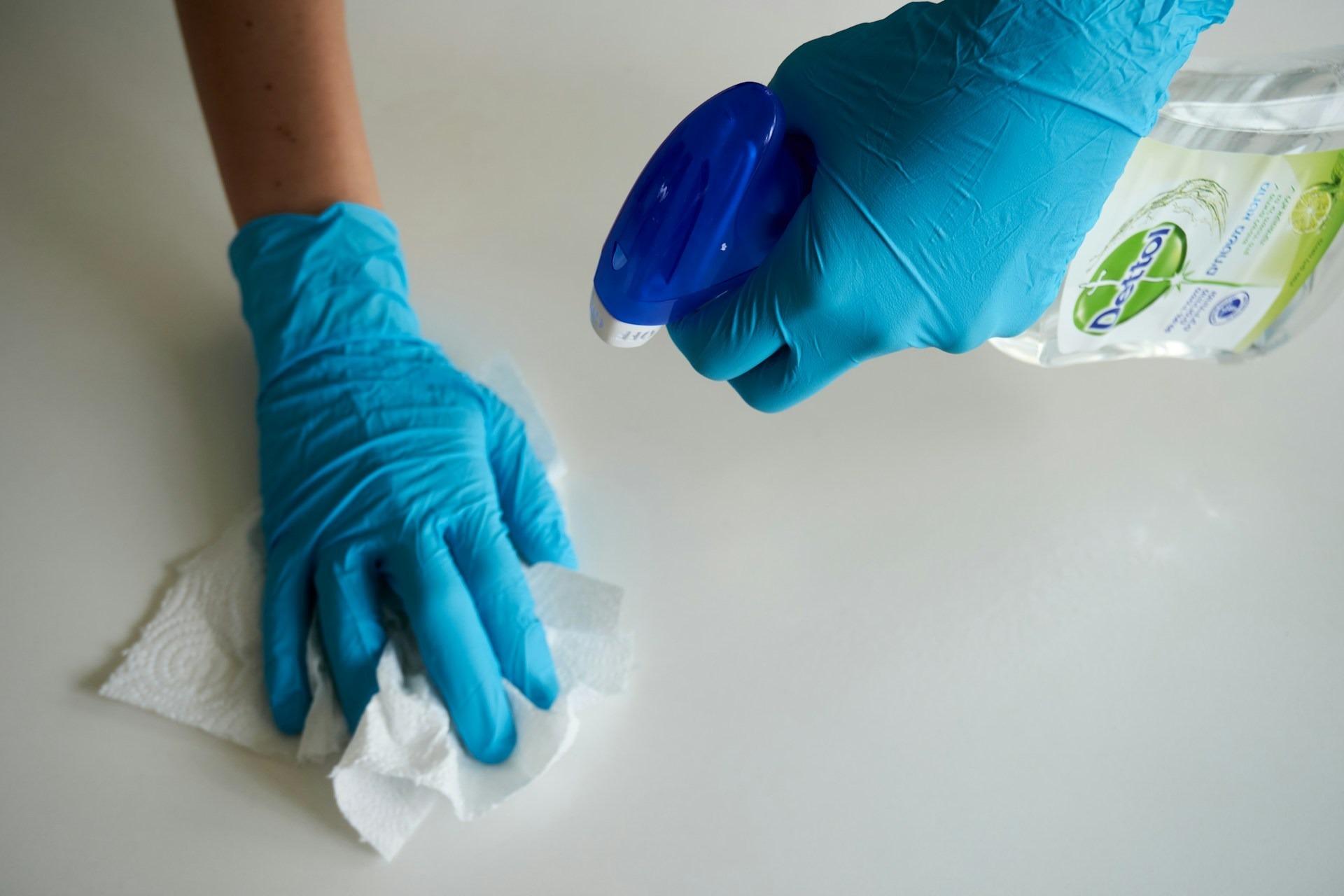
Now scientists led by Liam O’Mahony at University College Cork in Ireland have tested the theory, using babies born during the pandemic. Would the extra sanitisation lead to these Covid babies developing more allergies?
They analysed the DNA of microbes coming from the gut of babies born during the pandemic and compared that microbiome load with samples from babies born before the lockdowns and social isolation. They also used a type of modelling to find out what factors, such as environment and diet, influenced the growth of these bacteria in the first year of life. Finally, they looked at whether there were any links between these changes in gut bacteria and allergic diseases.
The results, published in the journal Allergy, showed that even after strict social distancing measures, the gut microbiome of pandemic babies was similar to that of children born before the pandemic. In fact, Covid babies had more Bifidobacteria, a type of healthy bacteria that helps digest fibre and prevent infections. These bacteria were strongly associated with fewer food allergies.
They concluded that the healthy development of the baby’s gut seemed to be much more influenced by breastfeeding and other factors. In the end, extra hygiene may not be as harmful as we once thought.
This article is from New Humanist’s summer 2024 issue. Subscribe now.