Months after Nepal's devastating flood, survivors are fighting for justice
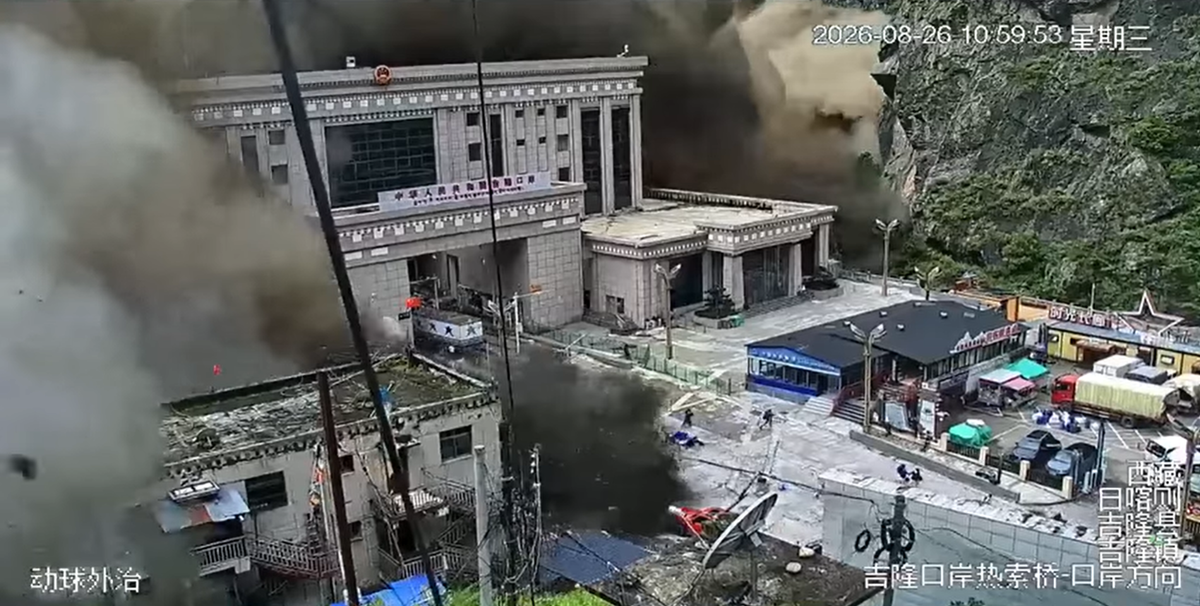
The first video arrived at 9am. Brown water where a street used to be. A bridge folding like paper. I was in Kathmandu, safe, when a glacial collapse in Rasuwa district triggered a flood that swept thousands of people away. My feet were dry. My tea was warm. But I knew that water. I had grown up beside it.
I am Bangladeshi and have lived in Nepal on and off for the last few years. Both countries are on the frontlines of climate change. I have spent my life watching rivers rise, and I have learned that water is not a metaphor for grief. It is grief itself, moving.
But I have also learned something else. When disaster strikes, the easier story is the one about the climate. The monsoon intensified. The glacier melted. The planet is warming. All true – and yet only part of the picture.
Because in Rasuwa, the question is not why the glacier collapsed. The question is why the state resettled survivors of the catastrophic 2015 earthquake on the banks of the Trisuli River – in a place its own reconstruction authority warned was unsafe.
Through news reports, we have learned some of their stories. On the morning of 26 August, Chekku Lama, 41, was having tea by the river when his phone rang. A relative was shouting: “Run.” He got on his motorcycle and raced through Khalte, the settlement of earthquake survivors where he lived, yelling at people to get out. Then he abandoned the bike, climbed the slope, and watched his parents, siblings and nephew swept away. He had feared this for years. He was ignored.
I think of Asabir Tamang, 59. The earthquake took his wife and grandchildren. He survived, remarried and had more children. Only for the flood to kill him and his new family, too.
At least 383 people from Khalte are dead or missing. Chekku Lama estimates only 10 per cent of those who were in the settlement survived. “This is not just a natural disaster,” he told the Nepali Times. “This is state-sponsored slaughter.”
Climate change is real. But that does not explain why survivors of one catastrophe were placed in the path of the next, despite the warnings. The climate narrative risks distributing blame, which means avoiding responsibility. It turns governance failures into weather. It turns accountability into atmosphere.
I am an outsider in Nepal, but I am not a stranger to this. In Bangladesh, I watched floods blamed on the monsoon while embankments crumbled from neglect. I watched cyclones described as acts of God while shelters meant to protect people stood empty and neglected.
The water does not ask for a passport. But someone decides who lives on the floodplain. Someone decides which warnings to heed. Someone signs the resettlement order.
Chekku Lama is compiling the names of the dead and missing. He plans to take them to Kathmandu and demand answers. “We will expose what the state did to us,” he says. “They forced us to live in a death trap.”
We are not asking for sympathy. We are asking for accountability. Climate disaster is likely to strike Nepal again. What we do now can change how the state responds next time.