The truth about the Iranian diaspora
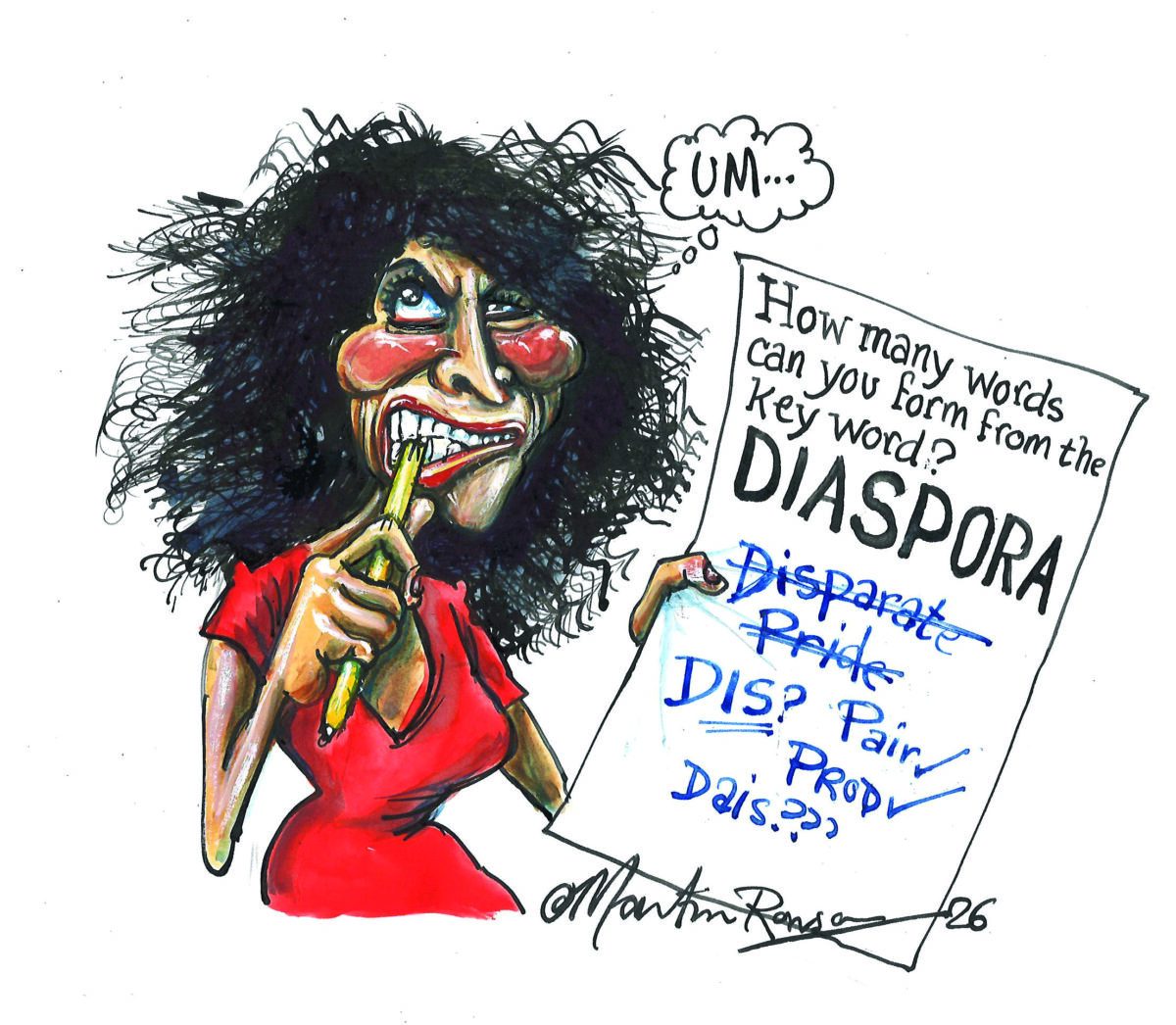
There are some words that feel good in the mouth before you even know what they mean. “Haberdashery” is one. “Kerfuffle” is another. And the one I’ve been hearing endlessly since the start of the Iranian anti-regime protests, and subsequent US-Israeli war on Iran is “diaspora”. It sounds ancient and important, a word you’d only hear now and then in a panel discussion or an edifying podcast.
I’ve always enjoyed dropping “the Iranian diaspora” into conversations about Iran over the years. It makes us sound like a people held together by poetry, which we are. The national identity of Iranians is deeply bound in poetry and pistachio nuts. But now, the word feels over-used to describe all Iranians who are outside the country, whether or not they were born there, were exiled, or are economic migrants who go back and forth for holidays.
I was one of the thousands who were carried out of Iran in early childhood, in the chaos that followed the 1979 revolution, when the Ayatollah Khomeini took over and imprisoned and killed anyone who suggested that freedom of expression was quite nice. My father (a poet, naturally) was one of the many artists who ran for his life. So yes, we say “diaspora”, but many of us are also refugees, immigrants and exiles. These are less elegant words. They carry in them trauma, loss and heartache.
The word comes from the Greek; dia (across) and speirein (to scatter). Originally used to describe the dispersal of Jewish people beyond Israel, it’s become a catch-all for any population spread away from its original homeland, with a lingering connection to what was left behind. It suggests cohesion: despite distance and time, we belong to each other.
But although we have a common enemy in the Islamic Republic, you will rarely meet a more politically polarised people than the Iranian diaspora. In London, in the 80s, I remember signs in Iranian restaurants saying, “No Political Discussions Please”. This was not because the proprietor hated free speech, but because patrons very quickly took the trauma of exile out on each other and the crockery.
Imagine if Daleks took over tomorrow, so that millions fled Britain across continents and formed the British diaspora. These people may all fear the Daleks, but in other aspects, they would not have a shared worldview. Imagine Tommy Robinson and Owen Jones ending up at the same dinner party, because of the forced proximity that exile brings. The host would be forgiven for feeling nervous.
The Iranian “diaspora” contains monarchists and republicans, secularists and deeply religious people, leftists, nationalists, apolitical entrepreneurs and traumatised families who have lost loved ones to the brutality of the regime. It contains people who fled persecution and people who fled with their wealth. People who mourn Iran every day, and people who have never set foot in it.
And yet many still prefer to use the word “diaspora”. It allows us to step away from the rawness of exile. We belong without having to agree. It also lets other people understand us more easily. “Iranian diaspora” is neater than explaining the complexities of post-revolution migration and exile, generational trauma and identity fragmentation. It’s a label that fits into headlines and Instagram posts.
Every time something happens involving Iran, suddenly, “the diaspora” is speaking. But this risks smoothing over tensions we desperately need to heal, implying a unity that doesn’t exist. It captures the fact of the scattering, but not the reality of the divergence that happens afterwards.
People build new lives. They assimilate, or don’t. They hold on, or let go. They reinterpret what it means to be Iranian through the lens of wherever they’ve landed. Over time, the only thing they may still share is a story that began in the same place – and even that story changes depending on who is telling it.
I’ll probably keep using the word. It’s too good not to. But every time I hear “Iranian diaspora”, I also hear the arguments, the contradictions and the occasional restaurant owner pleading with customers not to aim the cutlery at each other.